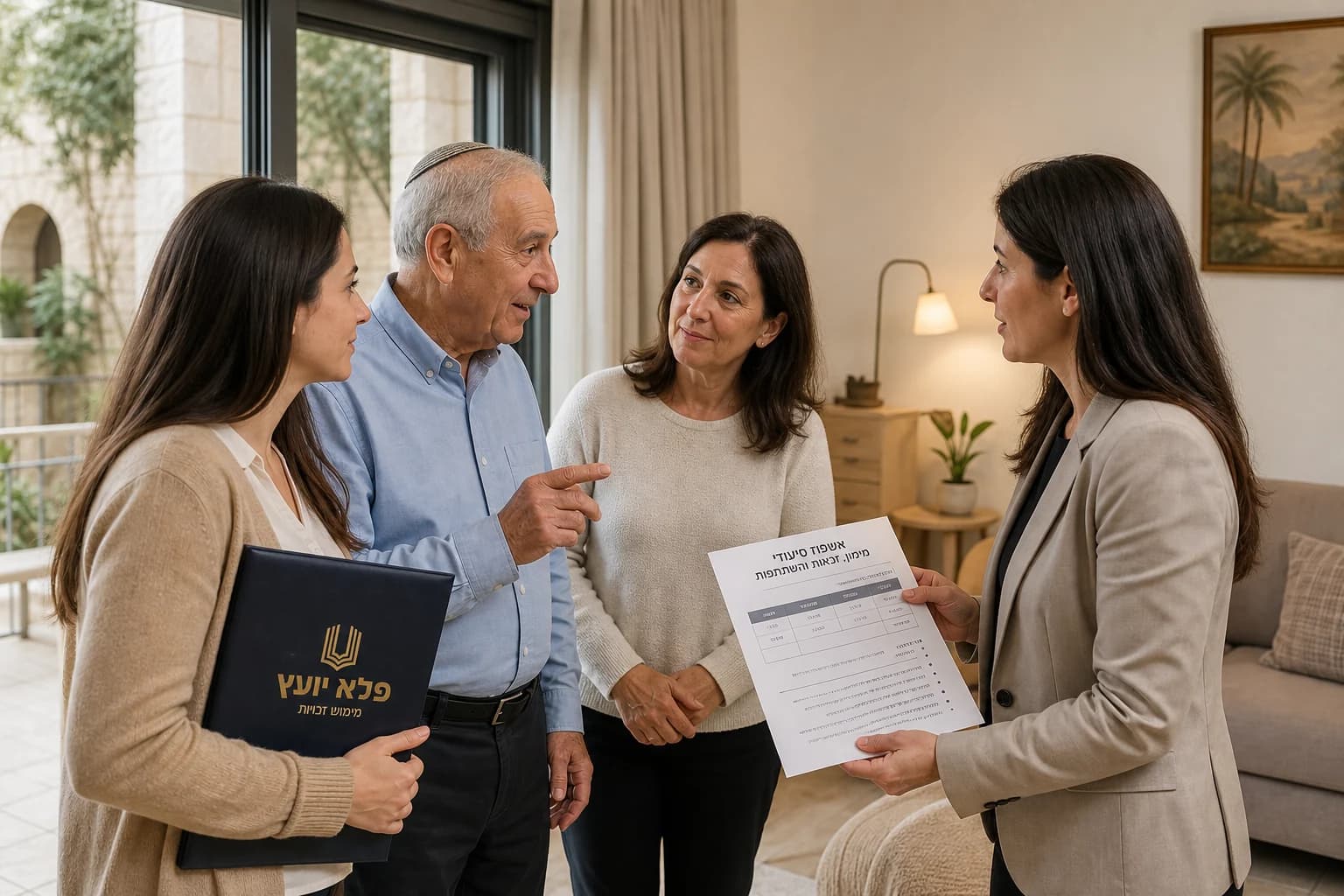

A comparison of the settings available to an older person: sheltered housing, a care home, a nursing ward and a cognitive frailty ward — who each suits, how funding differs, and what to check before choosing.
The terms get mixed up — and that produces expensive mistakes
In everyday speech every setting for older people is called a "care home". In practice these are very different types, with different levels of care, different funding and different admission processes.
The difference is not semantic. A family that places a parent in a setting unsuited to their condition may discover months later that a further move is needed — with all the cost and upheaval that involves.
The following explains the main distinctions and the question of who each setting suits.
Sheltered housing
Intended for someone largely independent, able to run their own life but wanting a setting with services, security and company.
It usually means an independent flat within a complex, with services such as a restaurant, activities, an emergency call button and sometimes a clinic. The resident runs their own day.
Funding is mostly private — usually a deposit and monthly maintenance charges. This is not a nursing setting, so it does not suit someone needing daily help with basic activities.
Care homes and their wards
Care homes usually contain several types of ward, according to the resident's condition. The distinction between them is by level of dependency and by the classification determined.
- Independent ward — for someone who largely manages and needs a setting and general oversight
- Frail ward — for someone needing partial help with daily activities
- Nursing ward — for someone dependent on help with most activities
- Cognitive frailty ward — for someone with cognitive decline who needs supervision
- Complex nursing ward — where active medical treatment is also required
The difference in funding
This is the aspect that affects the family most. Sheltered housing and independent or frail wards are usually funded privately.
A nursing ward and a cognitive frailty ward may fall within the Ministry of Health's public funding route, subject to classification, entitlement and a co-payment.
That creates a substantive point: the medical classification is not only a question of care — it directly affects who pays. So it is worth understanding the process before decisions are taken.
What to check before choosing
Beyond the question of which type of setting, there are practical questions worth asking on every visit.
- What the staff-to-resident ratio is, particularly at night
- Whether there is a doctor and a nurse on site and at what hours
- What happens when a resident's condition deteriorates — whether there is an internal move
- What exactly is included in the fee and what is charged separately
- What the visiting policy is and what the activity hours are
- Whether the setting supplies functional documentation for claims
The insurance angle
Before moving to any setting, it is worth checking whether a long-term care policy exists. Many policies distinguish between staying at home and staying in an institution, and the benefit is sometimes different.
In addition, where the cover is of the indemnity type, supporting documents for the expenditure will be required — so it is worth keeping invoices from the first day.
And a final point: an institutional setting keeps orderly records of a resident's condition. That is an excellent source of functional documents, and many families do not know they can ask for them.
Frequently asked questions
What is the difference between sheltered housing and a care home?
Sheltered housing is intended for someone largely independent and provides an independent flat with services, privately funded. A care home contains wards by level of dependency, and for some of them a public funding route exists.
What is a nursing ward?
A ward intended for someone dependent on help with most daily activities. It may fall within the Ministry of Health's public funding route, subject to classification and a co-payment.
What is the difference between a nursing ward and a cognitive frailty ward?
A nursing ward is intended for physical dependency in daily activities, and a cognitive frailty ward for someone with cognitive decline who needs supervision. The classification is determined by an authorised body.
What matters on a visit to a setting?
The staff-to-resident ratio including at night, the presence of a doctor and nurse, what happens when the condition deteriorates, what is included in the fee and what is charged separately, and whether the setting supplies functional documentation.
Can the setting supply documents for a claim?
Yes, and many families do not know it. Settings keep orderly records of a resident's condition and of the extent of assistance — an excellent source of functional documents.
Official sources for further checking
This is general information and does not replace personal medical, legal or insurance advice. Eligibility is determined by the documents and rules that apply to each case.