
A guide to the functional assessment in a long-term care insurance claim: what may be examined, how to describe day-to-day help, and which documents are worth gathering.
What a functional assessment is
A functional assessment is intended to establish how a person carries out basic activities and what help is actually required. The definitions and the weight given to each area are set by the policy or the relevant route, so there is no single online score that guarantees entitlement.
The assessment is not a substitute for medical diagnosis. It focuses on the connection between the condition and everyday life.
Which areas may come up
Questions are usually asked about daily activities and about safety. The precise wording may vary.
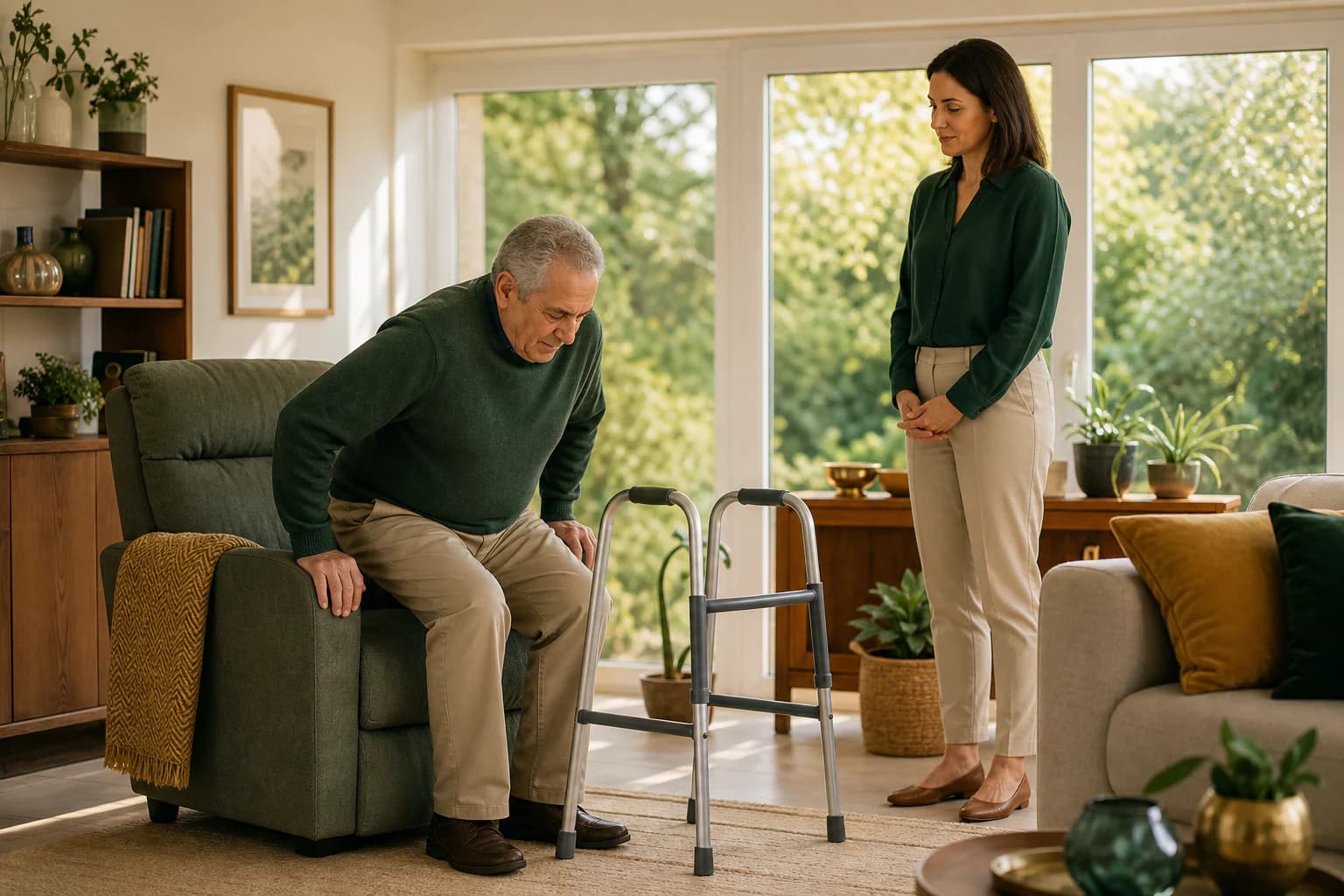
- Mobility and transfers between bed, chair and the space of the home
- Washing, and the ability to get in, get out and wash safely
- Dressing and undressing, including choosing suitable clothing
- Eating and drinking once the food has been prepared
- Continence and the care it requires
- Orientation, judgement and the need for supervision in cognitive conditions
Preparing means gathering facts
There is no need to rehearse answers and no place for presenting an ability lower or higher than reality. It is worth thinking in advance about an ordinary day: who helps, at what time, with which activities, and what the risk is if an activity is carried out without help.
If a family member provides care regularly, it is advisable that they are available to supply facts the person may struggle to recall or describe, in line with how the assessment is conducted.
Documents and examples that can help
Current medical records can provide context, but concrete functional examples explain the effect of the condition at home.
- A current summary from a treating doctor or relevant medical professional
- A list of the aids in use
- Documentation of regular help from family members or a carer
- Recent changes in mobility, safety or the need for supervision
After the assessment
Note for yourselves when the examination took place and what was requested. When a decision arrives, compare it with the situation described and the documents supplied. If there is a gap, examine it objectively before choosing how to respond.
Frequently asked questions
Who carries out the functional assessment in a long-term care claim?
The assessment is carried out by a professional on behalf of the insuring body — usually a nurse, an occupational therapist or another medical professional. Who assesses and how is determined by the company's procedures.
Can we prepare for the functional assessment?
Yes, and it is advisable — but preparation means organising facts, not rehearsing answers. It is worth writing down a week of routine in advance: who helps, with what, how often and what happens without help.
Can a family member be present at the assessment?
In most cases yes, and it is recommended that someone who knows the routine is available to supply facts. Presence and the manner of the examination are determined by the assessor's instructions.
What if the assessment took place on an unusually good day?
This is a common problem. It is important to tell the assessor that function fluctuates and to describe what other days look like, including frequency. Current medical documentation can support that.
Can we ask to see the assessment report?
When a decision arrives that does not match the situation, it is worth requesting the assessment report to see what was recorded in each area. That is usually the starting point for any reasoned approach.
Official sources for further checking
This is general information and does not replace personal medical, legal or insurance advice. Eligibility is determined by the documents and rules that apply to each case.