
A practical guide to the hardest conversation: why parents refuse help, which forms of words work and which close the conversation down, how to include them in the decision, and what to do when the resistance continues.
The refusal is almost never about the help
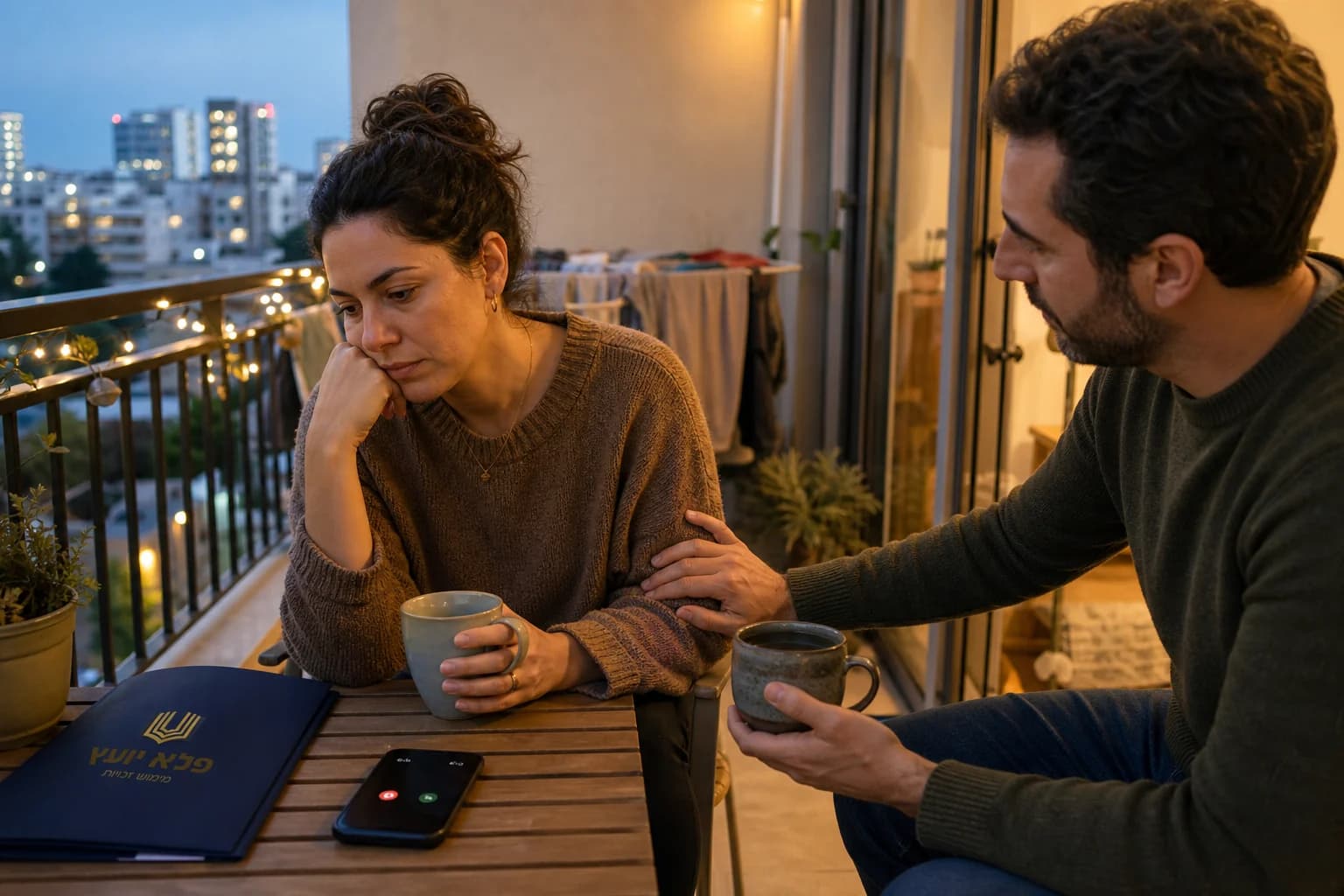
When a parent says "I don't need anyone", they are usually not talking about the help itself. They are talking about what it stands for.
Accepting help means admitting to decline. It means a stranger in the house. It means the children have decided for him instead of him deciding for them. And sometimes it is simply frightening — because it is a sign of a direction nobody wants to go in.
Once you understand that, the conversation looks different. It is not persuasion by argument, but an attempt to reduce a threat.
Forms of words that close the conversation down
There are sentences said out of genuine concern that do exactly the opposite. They place the parent in the position of someone losing control.
- "You can't manage any more" — produces immediate defensiveness
- "We've decided that..." — removes them from the decision
- "It's dangerous for you to stay alone" — frightens without offering a solution
- "Did you see what happened to the neighbour?" — projects fear and is not relevant
- "We can't go on like this" — produces guilt
- "It's temporary" — when it is not, it breaks trust later on
Forms of words that work better
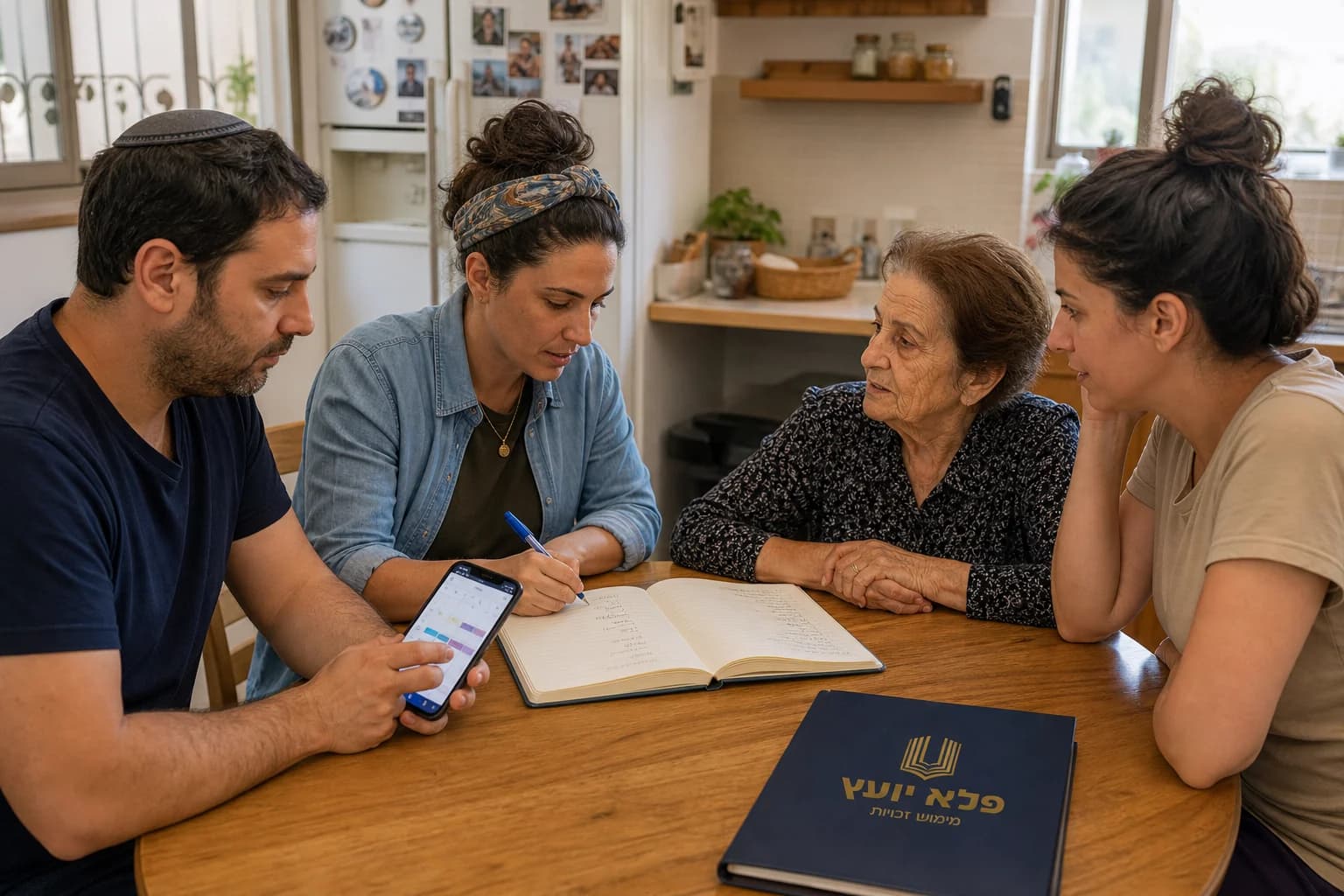
The principle common to all of them: preserve the parent's standing as the person deciding, and frame the help as something that serves them — not something done to them.
- "What would help you most?" — opens a conversation instead of closing it
- "It would put my mind at rest" — moves the need over to you
- "Let's try it for a month and see" — lowers the level of commitment
- "You decide who and when" — leaves control with them
- "Just for the cleaning and the shopping to begin with" — starts with the impersonal
- "The doctor recommended it" — takes the decision away from the family
Start small
The common mistake is to propose a live-in carer straight away. That is too big a jump, and the answer will almost always be no.
The right start is help that does not involve the body and does not feel like nursing care: cleaning once a week, help with the shopping, a lift to the doctor. These are services that are easier to accept, and they build a habit.
After a few weeks in which someone has been in the house and a relationship has formed, the move to more personal help — showering, dressing — is far easier. It usually happens gradually and without confrontation.
When there is cognitive decline
When the resistance stems from cognitive decline, the rules change. Someone who does not understand the extent of the difficulty will not be persuaded by logic, and may forget the conversation by the next day.
Here other techniques work: avoid arguing, do not correct forcefully, repeat the same offer consistently and without drama, and fold the help gradually into the routine until it becomes taken for granted.
Often what helps is not to name it. "This is Ruthie, who comes to help around the house" is better than "this is your carer".
When the resistance continues and there is risk
There is a threshold at which the discussion changes. When there is genuine danger — fires in the kitchen, leaving the house and losing the way, repeated falls with no ability to get up — it is no longer a matter of preference.
In such situations it is worth involving the treating doctor, who can assess the position and make a professional recommendation. A medical recommendation is sometimes accepted better than a family decision.
If there is significant cognitive decline preventing decision-making, legal tools such as an enduring power of attorney or guardianship may be needed. That is a weighty decision worth taking advice on.
Frequently asked questions
Why do parents refuse to accept help?
The refusal is usually not about the help itself but about what it stands for — admitting to decline, a stranger in the house, and a loss of control. Understanding that changes the conversation from argument to reducing a threat.
What should we not say?
Sentences such as 'you can't manage any more', 'we've decided that', or 'we can't go on like this'. They place the parent as someone losing control and produce defensiveness or guilt.
How do we start without confrontation?
With help that does not involve the body — cleaning, shopping, lifts. These are easier to accept, and they build a habit that eases the move to more personal help later.
What do we do when there is cognitive decline?
Avoid arguing, do not correct forcefully, repeat the offer consistently and without drama, and fold the help gradually into the routine. Sometimes it helps not to name it.
When do we stop respecting the refusal?
When there is genuine danger — fires, going out and losing the way, repeated falls. In such situations it is worth involving the treating doctor, whose recommendation is sometimes accepted better than a family decision.
Official sources for further checking
This is general information and does not replace personal medical, legal or insurance advice. Eligibility is determined by the documents and rules that apply to each case.